
Expert Tips for Commercial Kitchen Appliance Maintenance
- thespedlady
- Jul 19, 2025
- 4 min read

Running a commercial kitchen is no small feat. With the hustle and bustle of chefs, waitstaff, and customers, the last thing you want to worry about is whether your kitchen appliances are functioning properly. Proper maintenance of your kitchen equipment is crucial for efficiency, safety, and longevity. In this post, we will explore expert tips for maintaining your commercial kitchen appliances, ensuring they serve you well for years to come.
Understanding the Importance of Maintenance
Before diving into specific maintenance tips, it is essential to understand why regular upkeep is necessary.
Safety: Faulty appliances can lead to accidents, fires, or foodborne illnesses. Regular checks can prevent these risks.
Efficiency: Well-maintained appliances operate more efficiently, saving you time and energy costs.
Longevity: Just like any other equipment, regular maintenance extends the life of your appliances, saving you money in the long run.
By prioritizing maintenance, you can create a safer and more efficient kitchen environment.
Daily Maintenance Tasks
Every day in a commercial kitchen is busy, but some tasks should be part of your daily routine.
Cleanliness is Key
Cleaning your appliances daily is crucial. Here are some specific tasks to include:
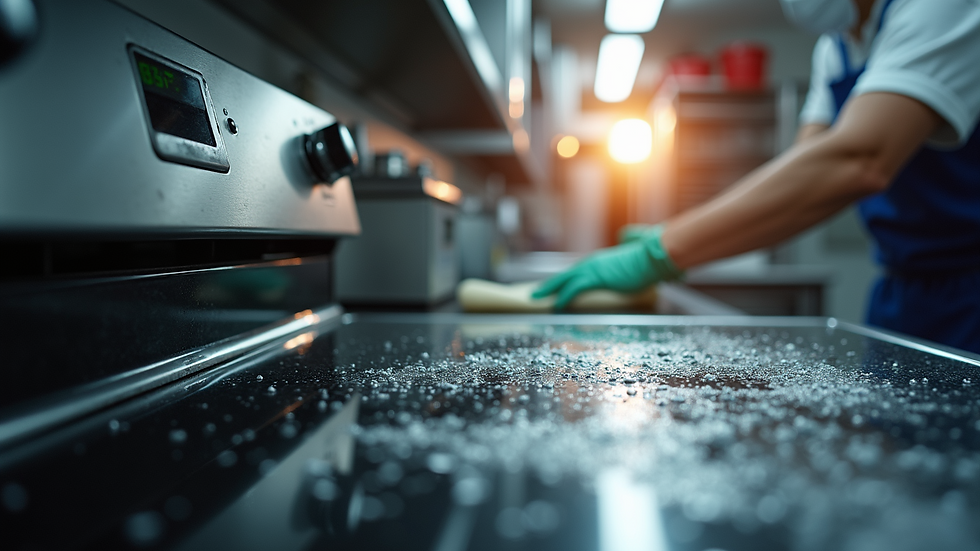
Wipe down surfaces: After each shift, clean the exterior of all appliances. Use a mild detergent and warm water to remove grease and food particles.
Empty and clean the refrigerator: Check for expired items and spills. A clean fridge not only looks better but also helps maintain proper temperatures.
Inspect for leaks: Check for any signs of leaks or water pooling around appliances. Addressing these issues early can prevent more significant problems later.
Check Temperature Settings
For appliances like refrigerators and ovens, ensure that temperature settings are accurate.
Use a thermometer: Regularly check the temperature of your refrigerator and freezer. The ideal temperature for a refrigerator is 37°F (3°C) and for a freezer, it is 0°F (-18°C).
Calibrate as needed: If you notice discrepancies, recalibrate the settings according to the manufacturer’s instructions.
Weekly Maintenance Tasks
In addition to daily tasks, some maintenance should be done weekly.
Deep Cleaning
While daily cleaning is essential, a more thorough cleaning should be done weekly.
Ovens and grills: Remove grease buildup from ovens and grills. Use appropriate cleaners and tools to avoid damaging surfaces.
Dishwashers: Clean filters and spray arms to ensure optimal performance. A clogged dishwasher can lead to poor cleaning results.
Inspect Electrical Components
Check the electrical components of your appliances weekly.
Look for frayed cords: Inspect power cords for any signs of wear or damage. Replace any frayed cords immediately to prevent electrical hazards.
Test safety features: Ensure that safety features, such as emergency shut-off switches, are functioning correctly.
Monthly Maintenance Tasks
Some tasks require a bit more time and attention.
Professional Servicing
Consider scheduling professional servicing for your appliances at least once a month.
Hire a technician: A qualified technician can perform in-depth inspections and maintenance that you may not be able to do yourself.
Check warranties: Ensure that your appliances are still under warranty. Regular servicing may be required to keep the warranty valid.
Replace Filters
Many appliances, such as refrigerators and dishwashers, have filters that need to be replaced regularly.
Follow manufacturer guidelines: Check the user manual for recommendations on how often to replace filters.
Keep a schedule: Create a maintenance calendar to remind you when to replace filters.
Seasonal Maintenance Tasks
As the seasons change, so do the needs of your kitchen appliances.
Prepare for Busy Seasons
Before peak seasons, ensure that your appliances are in top shape.
Inspect for wear and tear: Look for any signs of damage or wear that may have developed over time.
Stock up on supplies: Ensure you have all necessary cleaning supplies and replacement parts on hand.
Check Ventilation Systems
Proper ventilation is crucial in a commercial kitchen.
Clean hood filters: Monthly, clean or replace filters in your ventilation hoods to ensure they are functioning correctly.
Inspect ducts: Check for any blockages or buildup in ducts that could hinder airflow.
Troubleshooting Common Issues
Even with regular maintenance, issues can arise. Here are some common problems and how to troubleshoot them.
Appliance Not Turning On
If an appliance won’t turn on, check the following:
Power source: Ensure that the appliance is plugged in and that the outlet is functioning.
Circuit breaker: Check the circuit breaker to see if it has tripped.
Strange Noises
Unusual sounds can indicate a problem.
Identify the source: Listen carefully to determine which appliance is making the noise.
Consult the manual: Refer to the user manual for troubleshooting tips specific to that appliance.
The Role of Staff Training
Proper maintenance is not just the responsibility of the kitchen manager.
Train Your Staff
Ensure that all staff members are trained in basic maintenance tasks.
Create a checklist: Provide a checklist of daily, weekly, and monthly tasks for staff to follow.
Encourage reporting: Foster an environment where staff feel comfortable reporting issues with appliances.
Keeping Records
Maintaining records of maintenance can be beneficial.
Document Everything
Keep a log of all maintenance tasks performed.
Track repairs: Document any repairs or servicing done on appliances.
Schedule reminders: Use a calendar or software to set reminders for upcoming maintenance tasks.
Investing in Quality Appliances
When it comes to commercial kitchen appliances, quality matters.
Choose Wisely
Investing in high-quality appliances can save you money in the long run.
Research brands: Look for reputable brands known for durability and reliability.
Read reviews: Check customer reviews and ratings before making a purchase.
Conclusion: A Recipe for Success
Maintaining your commercial kitchen appliances is essential for a successful operation. By following these expert tips, you can ensure that your equipment remains in top condition, allowing your kitchen to run smoothly. Remember, a well-maintained kitchen is not just about efficiency; it is also about safety and longevity.
By prioritizing maintenance, training your staff, and investing in quality appliances, you can create a thriving kitchen environment that meets the demands of your business. Happy cooking!


Comments